Commercial pilot training Pensacola

Commercial Pilot Training in Pensacola

Commercial training is where the standards sharpen. Perdido Key Flight School helps pilots refine precision, consistency, and decision-making while preparing for the professional expectations of commercial pilot operations.

Build professional flying standards

A commercial pilot certificate is the certificate that allows a pilot to exercise commercial privileges and be compensated for certain flying operations. Training goes beyond simply meeting hour requirements: the goal is precise aircraft control, sound judgment, and consistent performance at the Commercial Pilot Airman Certification Standards.

Most airplane single-engine commercial training can be completed with Perdido Key Flight School, including maneuvers, cross-country work, and checkride preparation. We begin with a logbook review so we can identify any instrument training or complex, turbine-powered, or technically advanced airplane experience that must be completed with another instructor or aircraft.

  • Precision aircraft control
  • Commercial maneuvers and checkride standards
  • Scenario-based decision-making
  • Oral exam and knowledge preparation
  • One-on-one instruction from Roscoe Field
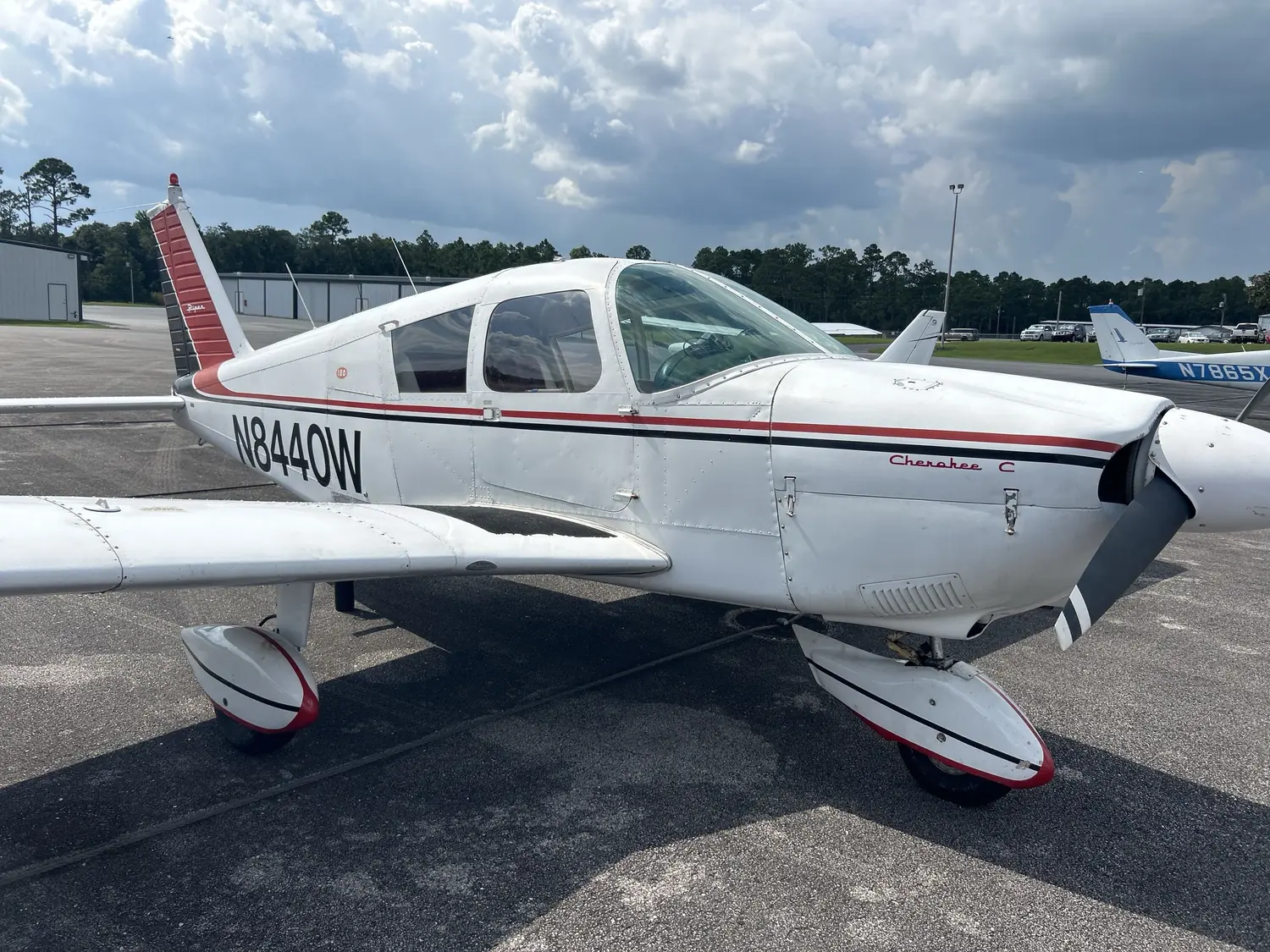
Perdido Key Flight School aircraft used for commercial pilot training

14 CFR 61.129(a)

Part 61 airplane single-engine minimums

For an initial commercial pilot certificate with an airplane single-engine rating, the FAA requires at least 250 hours of flight time. That total must include the following experience. We will review your logbook to identify what you have already completed and what remains.

250 hours total

At least 250 hours of flight time as a pilot, including 100 hours in powered aircraft and at least 50 hours in airplanes.

100 hours PIC

At least 100 hours as pilot in command, including 50 hours in airplanes and 50 hours of cross-country time, with at least 10 of those cross-country hours in airplanes.

20 hours of training

At least 20 hours of training in the areas specified by the rule, including instrument work, advanced-airplane experience, day and night cross-countries, and practical-test preparation.

Instrument training

Ten hours of instrument training are required, including five in a single-engine airplane. Properly documented training completed for a previous instrument rating may satisfy some or all of this requirement. Any missing commercial instrument training must be completed with a CFII.

Advanced-airplane experience

Ten hours are required in a complex, turbine-powered, or technically advanced airplane, or a combination. N8440W is not a TAA, so this portion must be completed in another qualifying aircraft.

Day and night cross-countries

One two-hour daytime and one two-hour nighttime cross-country in a single-engine airplane, each covering more than 100 nautical miles straight-line from departure.

Solo or duties of PIC

Ten hours meeting the applicable solo or duties-of-PIC requirements, including a 300-NM cross-country and five hours of night VFR with 10 takeoffs and landings at a towered airport.

Practical-test preparation

Three hours of training in a single-engine airplane with an authorized instructor in preparation for the practical test must be completed within the preceding two calendar months.

Additional eligibility, knowledge-test, endorsement, and practical-test requirements apply. These are FAA minimums for the airplane single-engine rating, not a guaranteed training timeline. See 14 CFR 61.129 for the complete current rule.
Commercial training rates

Aircraft wet rate is $180/hr, including fuel. Flight instruction is $50/hr. Because commercial applicants arrive with different experience, the best first step is a logbook review and proficiency assessment. Final cost depends on which requirements remain and how much checkride preparation is needed.

Commercial pilot training questions

Do you offer commercial training?

Yes. Most airplane single-engine commercial training is available from Roscoe Field, including maneuvers, cross-country work, and checkride preparation.

What does training focus on?

Precision, consistency, professional habits, decision-making, and commercial checkride standards.

How many hours do I need?

The Part 61 minimum for an initial airplane single-engine commercial certificate is 250 total hours, with specific PIC, cross-country, instrument, advanced-airplane, and day and night experience requirements.

How are remaining requirements handled?

We review your logbook and map out what can be completed in N8440W. If any CFII instrument training or complex, turbine-powered, or TAA experience remains, we identify it up front so you can plan that portion with the appropriate instructor or qualifying aircraft.

Read more flight school questions

Ready to sharpen your flying?

Send an inquiry to talk through commercial pilot training availability and next steps.

Contact Perdido Key Flight School
BusinessPerdido Key Flight School
Based atRoscoe Field (82J), 9750 Aileron Ave, Pensacola, FL 32506
Phone(972) 467-3899 Emailtraysong@perdidokeyflightschool.com